



Quality & Testing

Incoming Material Inspection

Every raw material batch entering our Yongkang factories is checked against a pre-defined specification sheet before it reaches the production floor. We do not rely on supplier certificates alone.

  • Steel tubes (Q195/Q235): Wall thickness measured with a digital micrometer (tolerance ±0.05mm). Surface rust and straightness visually checked under 800-lux lighting.
  • Aluminum profiles (6061/6063): Hardness tested with a Webster hardness tester; anodizing thickness verified with an eddy-current gauge (target ≥10μm for outdoor use).
  • Fabrics (600D/900D Oxford, ripstop polyester): Weight checked on a gram scale (g/m²), tensile strength tested on a small-sample tensile machine, and color matched against a Pantone swatch under D65 light booth.
  • Plastic resins (PP, ABS): Melt flow index spot-checked; incoming pellets visually inspected for contamination. Supplier must provide batch-level RoHS and REACH compliance reports.
  • Wooden handles (beech, ash): Moisture content measured with a pin-type meter (target 8–12%). Any piece with knots larger than 5mm in the grip area is rejected.

Sampling plan for incoming materials: AQL 2.5, Level II (normal inspection). If one lot fails, the entire batch is quarantined and returned to the supplier at their cost — no exceptions.

In-Process Quality Control

QC inspectors are stationed on each active production line, not in a separate room. They perform checks at intervals defined by the production volume and product complexity — not randomly.

  • Welding (tent frames, chair frames): Every 50th piece is pulled for a weld penetration check. We use a cross-section cut on one sample per shift to verify fusion depth. No cold joints or undercut beyond 0.3mm allowed.
  • Powder coating: Coating thickness measured every 30 minutes with a digital coating gauge (target 60–90μm). Adhesion tested once per hour using the cross-hatch method (ISO 2409).
  • Sewing (tent panels, carry bags): Stitch density checked with a seam gauge — 8–10 stitches per inch for structural seams. Random seam strength test on a tensile machine (minimum 45kg for tent pole sleeves).
  • Assembly fit: For folding furniture, every 20th unit is fully assembled and checked for alignment, wobble, and locking mechanism engagement.

Documentation: Each QC shift logs readings on a paper form that is signed and archived for 24 months. Clients can request scanned copies for any past production run.

Final Random Inspection (Pre-Shipment)

Finished goods are inspected using the ANSI/ASQ Z1.4 (AQL) standard before any container is sealed. The sampling level and acceptable quality limits are fixed per product category — we don’t adjust them to make a failing lot “pass.”

Camping Furniture

AQL 2.5, Level II for major defects; AQL 4.0 for minor. Each sampled unit is fully unfolded, sat on (static load test with sandbags), and checked for sharp edges, missing rivets, and frame twist. Fabric tension is compared against a reference sample.

Tents & Shelters

AQL 2.5, Level II. Sampled tents are pitched completely. We check pole sleeve alignment, zipper function (both directions, 10 cycles), seam taping integrity, and mesh hole count. Any water column test failure on a random panel triggers a re-inspection of the entire batch.

Garden Tools

AQL 2.5, Level II. Blade sharpness tested by cutting standardized 8mm polypropylene rope; edge retention checked after 20 cuts. Handle-to-blade connection hammer-tested for loosening. Rust preventive oil presence verified.

Coolers & Outdoor Containers

AQL 2.5, Level II. Lid seal checked with a 0.1mm feeler gauge; latch closure force measured with a push-pull gauge (target 25–40N). Ice retention spot-checked on one unit per 200 pieces (24-hour test with 50% ice fill).

Functional Testing

Functional tests simulate how a customer actually uses the product — not just whether it looks right. These tests are performed on samples from every production batch, and results are recorded on a batch test report.

  • Tent pole assembly / disassembly: 5 complete cycles. No binding, no fiberglass splintering, no permanent bend beyond 3mm.
  • Folding chair open/close: 20 cycles. Hinge rivets must not loosen; plastic armrests must not crack.
  • Garden shear cutting test: 30 cuts on 6mm fresh hardwood dowel. Blade must not chip, and pivot screw must not back out.
  • Cooler drain plug: Filled with water, drained completely, re-sealed, and shaken. Zero leakage.

Products that fail any functional test are removed from the sample set, and the root cause is investigated on the same day. If the defect appears in more than 2 samples within an inspection lot, the entire lot is placed on hold for 100% sorting.

Durability Testing

Durability tests are conducted on a rotating schedule — each product family is retested at least once per quarter, or whenever a new material batch or tooling change occurs. We use in-house test rigs and calibrated equipment.

Static load of 120kg applied for 30 minutes, then a cyclic load of 80kg applied 5,000 times on a pneumatic test stand. Frame deformation measured before and after. Permanent set must be under 8mm.

Camp Chair Frame Fatigue
Fabric swatches exposed in a QUV accelerated weathering tester for 200 hours (ASTM G154 Cycle 1). Color change measured with a spectrophotometer (ΔE ≤ 4.0 required). Tensile strength retention must be ≥ 80%.

UV & Weathering (Fabrics)
Zippers on tent doors and cooler lids are cycled 2,000 times on a reciprocating test machine at 30 cycles/minute. A failure is defined as skipped teeth, slider separation, or tape fraying. Coil zippers used on all TrailBase tents.

Zipper Endurance
Handle-to-head connection tested on a universal testing machine. For loppers and shears, a pull-off force of ≥ 500N is required. Wooden handle tools are also subjected to a 24-hour humidity chamber cycle (40°C, 90% RH) to check for swelling or cracking.

Garden Tool Joint Strength
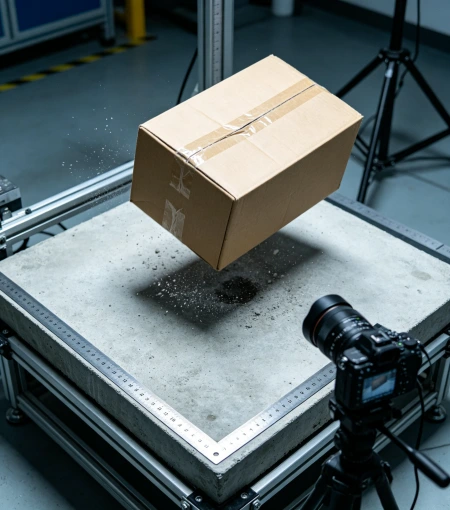
Package Drop Test

Packaging is not an afterthought. We follow the ISTA 1A protocol for drop testing on export cartons. One carton from every 200 units produced is randomly pulled for the test — not a specially prepared sample.

  • Drop height: 760mm for cartons weighing 0–10kg; 600mm for 10–19kg; 450mm for 19–28kg.
  • Drop sequence: 1 corner, 3 edges, 6 faces — total 10 drops.
  • Acceptance criteria: Product inside must remain fully functional and free from structural damage. Cosmetic scuffs on the product are considered a minor defect only if invisible after unpacking. Carton must not split open.
  • Corrugated board spec: All export cartons use double-wall BC-flute board with a minimum burst strength of 1,200 kPa. For heavy items (>15kg), we add edge protectors and strapping.

If a carton fails the drop test, the packaging design is reviewed immediately, and the affected batch is repacked with reinforced material before shipment.

Key Parameter Control Methods

Instead of vague statements about “strict quality control,” we maintain a living document of critical-to-quality (CTQ) parameters for each product category. Below are examples extracted from our internal control plan, dated May 2026.

ParameterProduct CategorySpecification / ToleranceMeasurement ToolFrequency
Tube wall thicknessCamping chair frame1.0mm ±0.04mmDigital micrometer (Mitutoyo)Every 200 tubes
Powder coat adhesionAll metal furnitureClassification ≤1 (ISO 2409)Cross-hatch cutter + tape1x per shift per line
Fabric hydrostatic headTent flysheet≥3,000mm (PU coating)Hydrostatic pressure tester1 swatch per fabric roll
Stitch densityTent seams, bag seams8–10 stitches per inchSeam gauge / rulerEvery 30 minutes
Blade hardness (HRC)Garden shears / loppers52–56 HRCRockwell hardness tester5 pcs per heat treatment batch
Cooler lid seal gapRotomolded coolers≤0.15mm feeler gauge passFeeler gauge setEvery 50 units
Carton burst strengthAll export packaging≥1,200 kPaMullen burst tester1 per batch of cartons
Scroll to Top